



Congratulations! If you’re reading this, you’ve officially made it through one of the coldest and snowiest winters we’ve had in quite a while.
The first day of spring—also known as the vernal equinox—arrives on March 20 at 10:46 AM EDT. This is the moment when the sun is positioned directly over the equator.


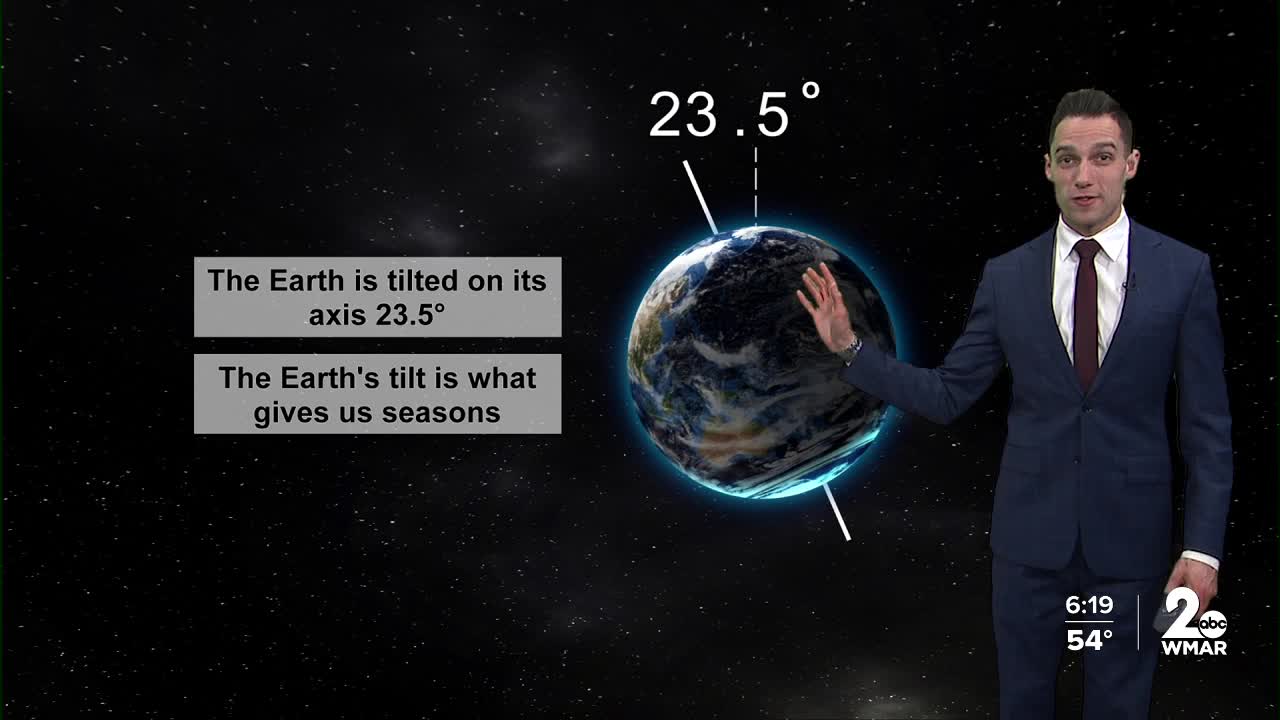
We experience seasons because the Earth is tilted at 23.5°. As we orbit the sun each year, different parts of the globe receive varying amounts of sunlight depending on that tilt.
During winter, the Northern Hemisphere is angled away from the sun, which is why it’s colder across North America. In summer, we’re tilted toward the sun, bringing our warmest months of the year. Spring is the transition, when both hemispheres receive nearly equal sunlight and day and night are roughly the same length.

As days grow longer and solar energy increases, we typically see our first 80° day around April 7, our first 90° day by June 2, and our first 100° day near July 20.
Fun fact: we’ve already hit 85° twice this year—back on March 10 and 11!


