


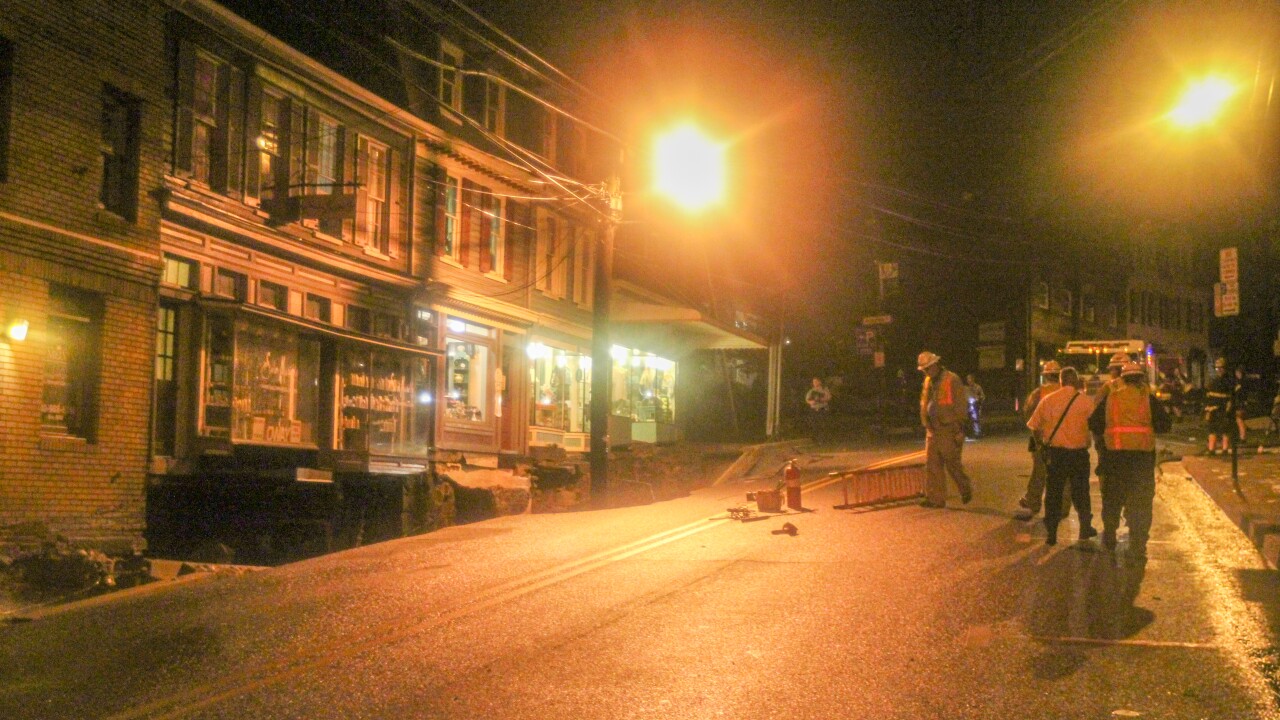

ELLICOTT CITY, Md. — Six inches of rain, in just two hours.
The rainfall was unprecedented and devastating for Old Ellicott City the night of July 30, 2016.
It was known that Main Street was prone to flooding. Tropical Storm Lee five years prior in September 2011 had been evidence of that. But that July summer night 10 years ago caught many off guard.
That night, dispatchers received 1,043 calls for help within six hours as people were trapped inside businesses, and others were swept away by the flood waters.
That’s four times the normal call volume.
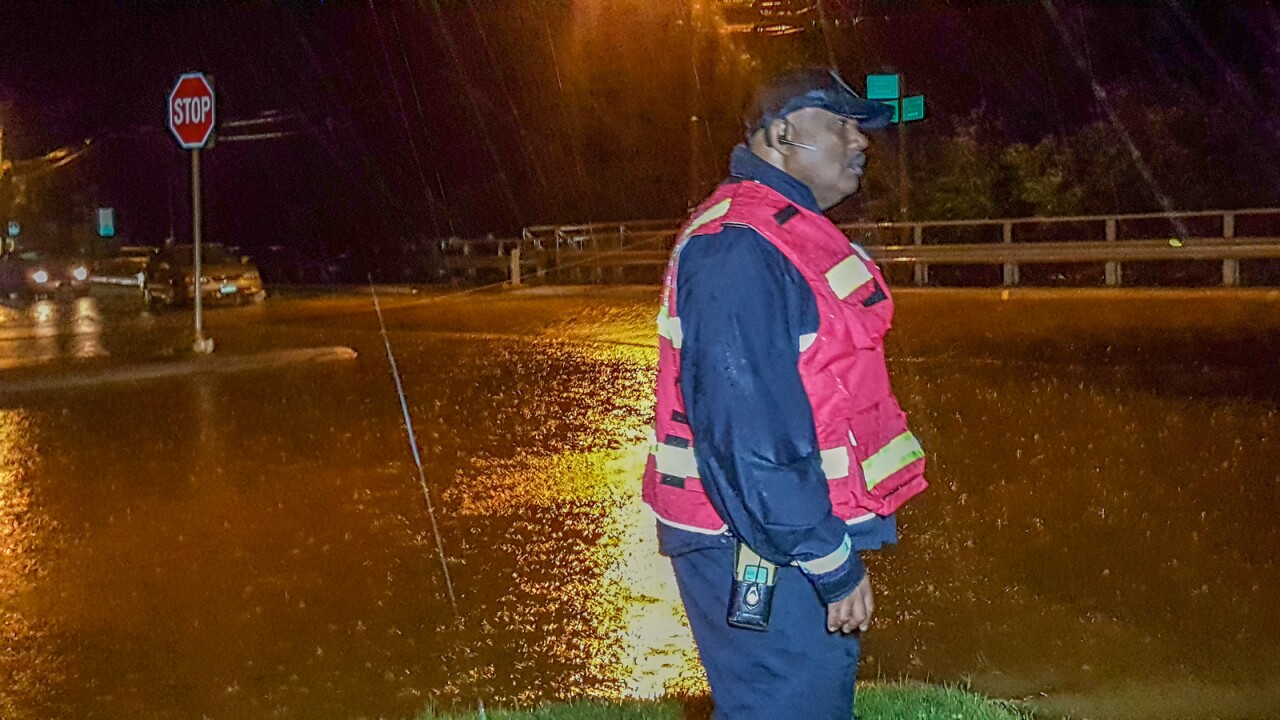
Forward thinking had the Howard County Fire and Rescue Services Special Operations team already on site.
The team was on another call and cut. That’s when master firefighter Mike Bowen made a fateful decision.
“I said, yeah, I'm just gonna check, check Ellicott City because that’s a high hazard for flooding,” Bowen said. “Once we turned down Rogers Avenue, it was doing it.”
“The water was moving and we knew that some significant event was about to unfold there,” firefighter John Rouillard said.
Firefighter Matt Marlatt was in a separate vehicle working to meet up with the rest of the crew.
“We thought the cars were driving towards us,” he recalled. “And we realized that the cars were washing down Frederick Road at us.”

“It truly starts with: can we save a life?”
Despite never having faced a situation quite like this, their swift water training immediately kicked in. The team threw on their personal protective equipment and inflated their rescue boat.
Battalion Chief John Zour explained.
Calmly braving the elements that Mother Nature threw their way, beginning their first of many rescues that night, even as the waters nearly flipped their boat to wash them down the Tiber River had it not been for a guard rail.
They were able to rescue an older woman trapped in her car.
A memory that sticks with Rouillard, who was new to the team at the time.
“I try to tell people that unless you've been in moving water like that, and that velocity, that amount of water, that volume. You don't understand how strong the water really is,” Rouillard said.
As soon as the waters came, they receded. Leaving Main Street covered in slick, brown mud. Some sidewalks and foundations of buildings were gone.
“It's bizarre to see something that you know so well in such a violent state,” Marlatt said. “Like a set of a disaster movie.”
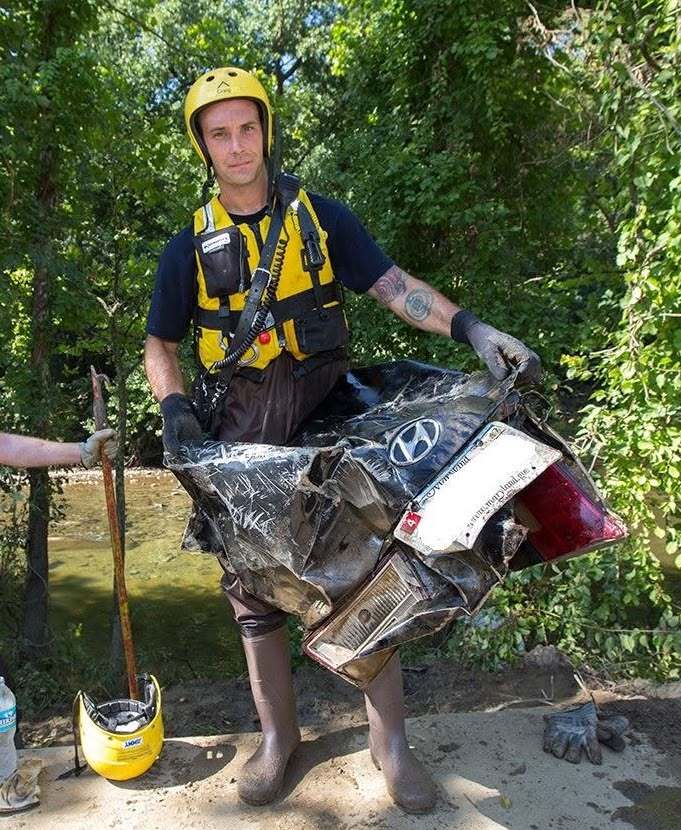
But their work at that time was far from over, as concerns of structural collapse and the potential for hazardous materials remained.
Lengthy recovery efforts kept them embedded in the area.
“We're people too. We're wearing a patch. We're responding to emergencies, but we truly felt like we were part of something and part of a community that really went through a lot,” Zour said. “The impact on people will stay with, I think, most of us for a long time.”
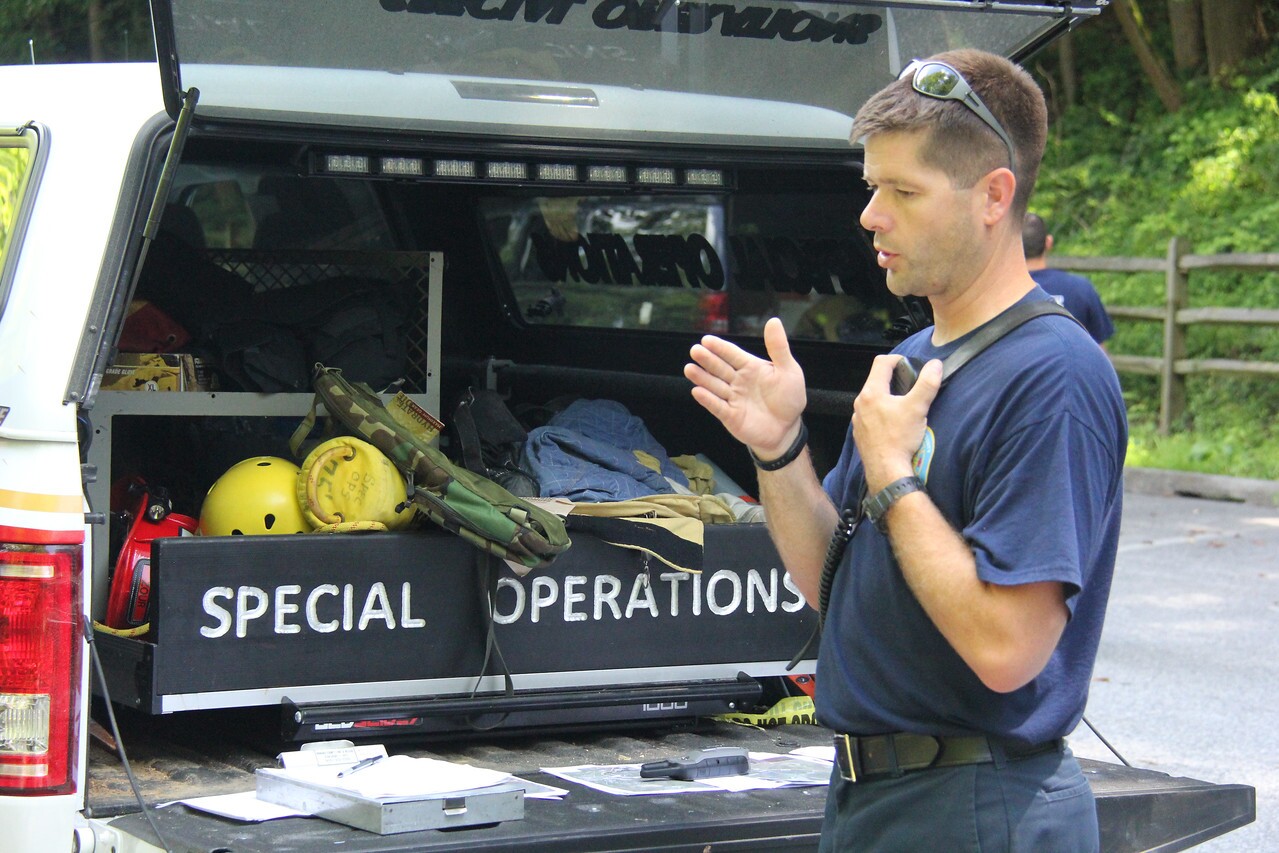
Two years later, when the flood waters would rise again, they would be ready.
The exact same team was on the exact same shift working May 27, 2018.
Bowen, Marlatt, Rouillard and Zour all returned to the historic district, only to see many familiar faces.
“I felt like they had been tested. They responded, and now they were shouldering it again,” Zour said.