

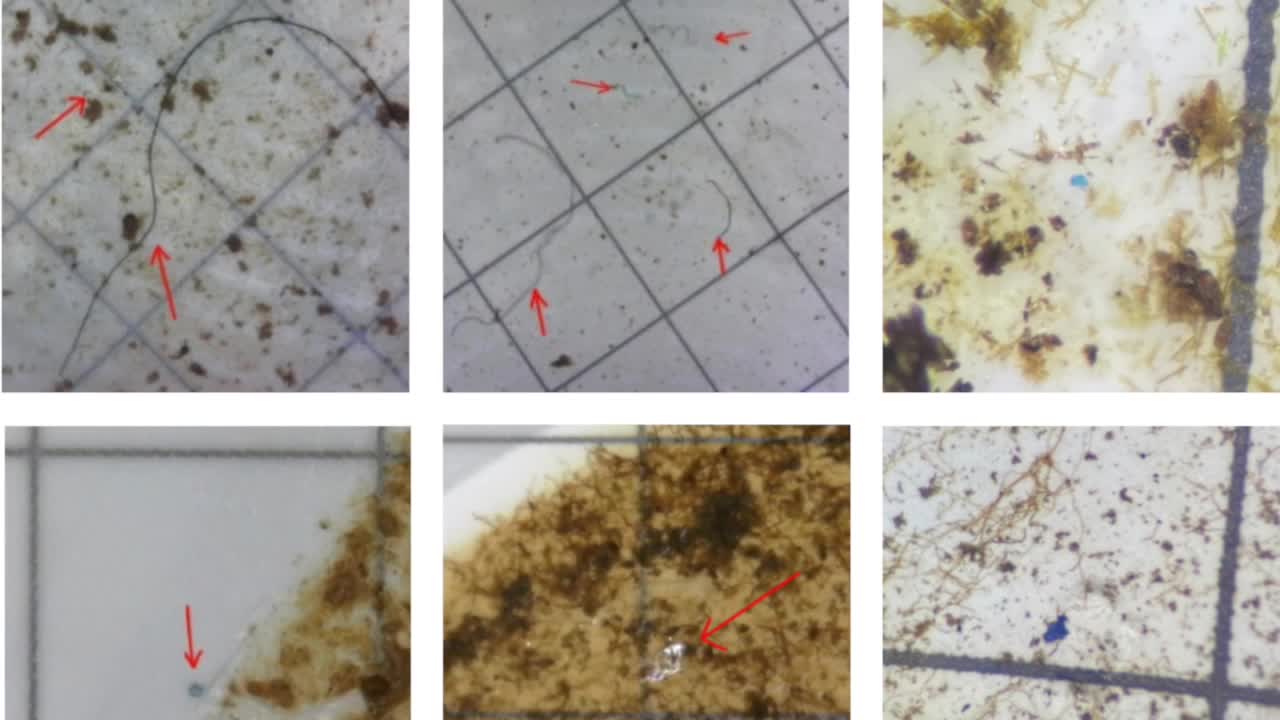


BALTIMORE, Md. — A big problem is turning up in every body of water across the Chesapeake Bay watershed, but you can't see it with the naked eye.
A new report shows microplastics, pieces that are smaller than 5 millimeters, are present in waterways stretching from the Susquehanna to the Patapsco Rivers, and the Chesapeake Bay beyond.
Environmental advocates say it comes as no surprise.
Researchers collected 90 samples at 15 sites.
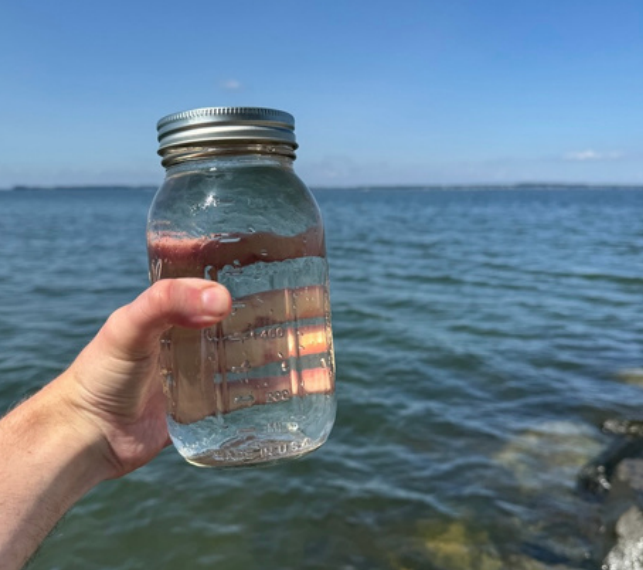
"Every single one of them was found to have microplastic contamination," said Nina Harbison, who represents the Maryland Public Interest Research Group.
The breakdown of what researchers found includes:
- 100% of sites had clothing microfibers
- 93% of sites had microfragments
- 47% of sites had microfilm
- 27% of sites had microbeads present
Advocates say the latest findings from the Penn Environment Research and Policy Center are troubling, but not surprising.
"Unlike an apple or a piece of paper that will decompose organically over time, plastic breaks down into smaller and smaller pieces of plastic," Harbison said. "The Chesapeake Bay watershed provides drinking water to millions of people, about 13 million in total, including many here in Baltimore."
The pieces are too small to be caught by last line of litter defense programs like Baltimore's trash wheels as part of the Healthy Harbor initiative. They are easily ingested by wildlife, passed through the food chain and are linked to negative health consequences.
Advocates felt that while the data was concerning, not all hope was lost. Alice Volpitta of Blue Water Baltimore made note that there were no microbeads found in the Patapsco River during the study. Maryland banned plastic microbeads in 2020.
"It's tough to draw conclusions from a single sample, but these results give us reason to be hopeful that common-sense legislation that cuts off plastic pollution at the source can have real impacts on our streams and rivers," Volpitta said.
Environmental advocates are pushing for several policy changes to reduce plastic waste from the source, such as producer responsibility laws, which would shift the burden to companies, as well as bottle return laws.
In Maryland, the latter has been introduced three times now.
Kelly Doordan of Trash Free Maryland says they're confident the fourth time will be the charm.
"We've made a lot of progress on the bottle bill, and we've over the last few years made amendments and really improved the bill," Doordan said.
Advocates hope change can be made in time, for a better, plastic-free future.
 Facebook
 TikTok
 YouTube
 Instagram
 Threads
 X
This story was initially reported by a journalist and has been converted to this platform with the assistance of AI. Our editorial team verifies all reporting on all platforms for fairness and accuracy.

