



BALTIMORE — The Trump administration is restructuring the U.S. Forest Service, consolidating regional offices and closing more than 50 research stations — including one in Baltimore that oversees long-term forest research throughout the northeast as far west as Minnesota.
The U.S. Forest Service was created in 1905 during Theodore Roosevelt's presidency with a mission of caring for the land and serving people. It shifted forest management positions from political appointments to merit-based employment through comprehensive exams, building a highly skilled workforce that became the gold standard for forest resource management.
Mark Grove, a former Team Leader at the Baltimore research station, retired at the end of March in hopes of saving his colleagues' jobs when the Department of Government Efficiency cut staff through layoffs and early retirements. The USDA announced the Baltimore station was among more than 50 research stations flagged for closure.
"Research in the Forest Service is what we call mission-oriented research. We're trying to solve problems," Grove said.
Grove warns the restructuring represents a damaging shift in priorities.
"It restructures it in several very important ways. One is a shift exclusively to timber production. And not recognizing the multiple values, multiple uses that are provided," Grove said.
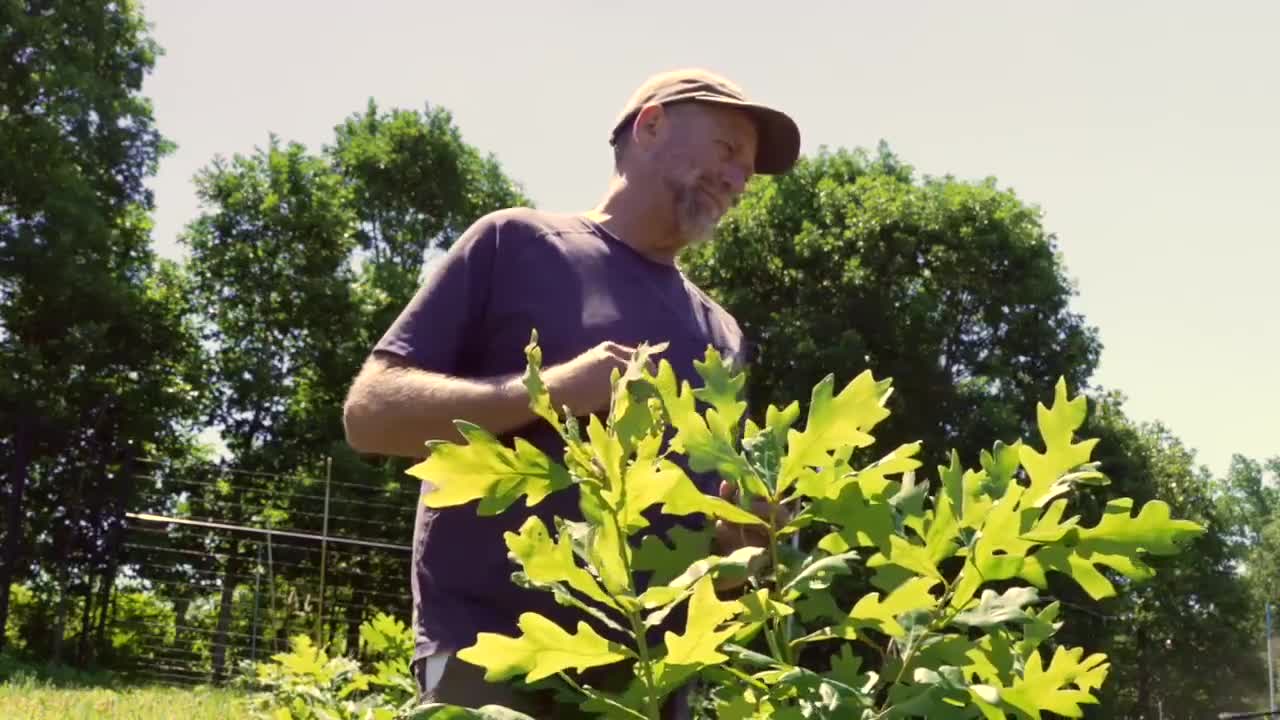
Among the work at risk is a long-term American white oak research project conducted in partnership with the Cylburn Arboretum and a network of organizations across the Eastern Seaboard. The project tracks the growth and management of a species with significant economic and cultural value.
"The wood is of high value initially for firewood and then for construction as well. We use it a lot in flooring paneling, uh, we use it in furniture and it's also the key species that we use for producing rye and bourbon whiskeys and so there's a real concern that we're losing this oak," Grove said.
Grove says the project was designed to learn how to replenish stock of the important wood source. Without the Baltimore office, he says, the broader regional picture will be lost.
"A second thing is that it's shifting everything to the western United States in terms of operations and concern," Grove said.
Grove also argues this type of long-term research is work private industry cannot sustain on its own.
"The forest industry does not necessarily have patient money. They're thinking about what are my returns today, what are my returns 5 years from now, what are my returns from 10 years from now, and venture capital is always looking to buy those forest industry companies and their lands and converting it over to something like development," Grove said.
According to the U.S. Forest Service website, regional management will be consolidated into 6 offices. Employee unions and others are challenging the changes in court.
This story was reported on-air by a journalist and has been converted to this platform with the assistance of AI. Our editorial team verifies all reporting on all platforms for fairness and accuracy.

