


COLUMBIA — From navigating VA benefits to getting timely health care, Maryland veterans are telling state leaders where they believe gaps still exist in the services meant to support them.
The Maryland Department of Veterans and Military Families is traveling across the state as part of its Veterans and Military Families Listening Tour, giving veterans an opportunity to talk directly about the challenges they are facing.
Jessica Finucan, a 20-year Air Force veteran and ambassador with the Women Veterans and Inclusion Program, said one of the biggest problems she sees is veterans simply not knowing what resources are available.
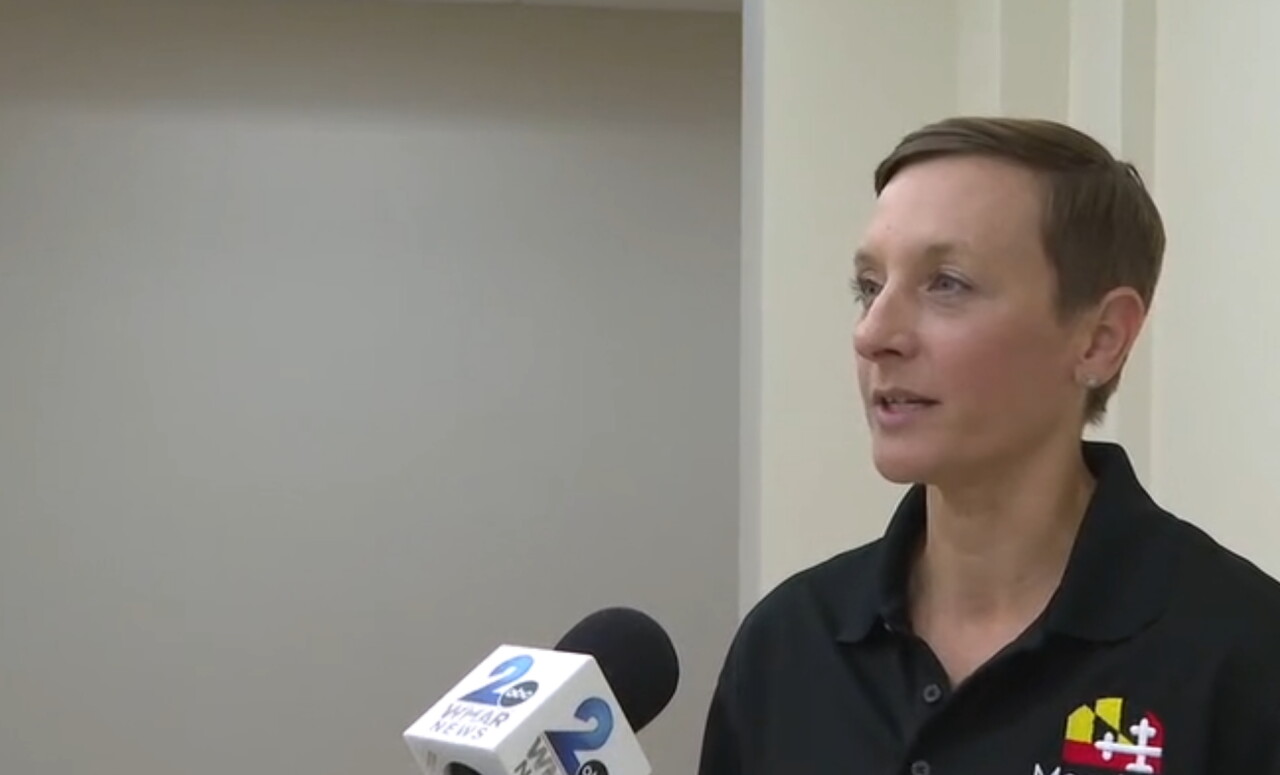
“A lot of my friends, they don’t know what they don’t know,” Finucan said.
She said that problem can begin before a service member even leaves the military.
PREVIOUS COVERAGE: Baltimore Station opens first-ever transitional housing program for women veterans
Veterans may hear about disability claims, accredited veteran service officers and other resources during the transition process, she said, but may not understand their importance until years later.
Finucan said the key is reaching veterans where they already are instead of expecting them to know where to look for help.
“It’s really having to meet the veteran where they’re at,” she said.
Rosalind Robinson-Ambrose, who served 23 years in the Army and Army Reserve and now volunteers as an ambassador with the program, said the listening sessions are uncovering concerns involving VA health care, compensation, homelessness and access to other benefits.
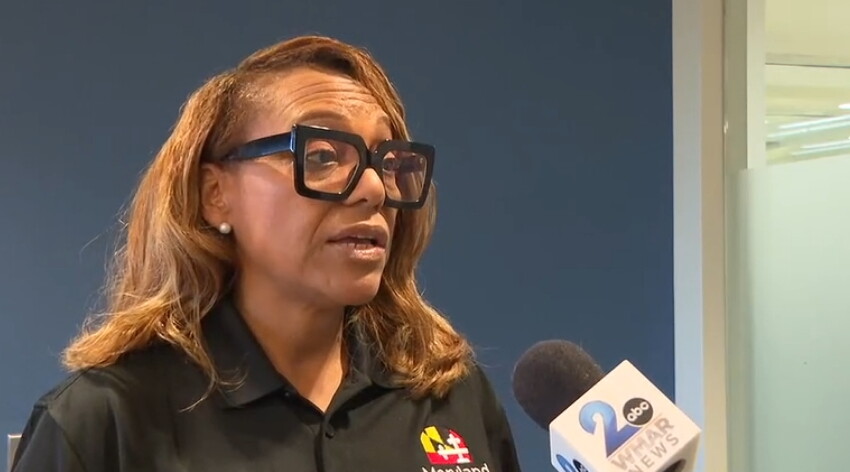
She said some veterans report appointments being canceled or difficulty getting the support they need through the health care system.
Another major concern is making sure veterans understand the compensation and benefits they may have earned through their service.
Robinson-Ambrose said Vietnam veterans remain one of the groups her organization continues trying to reach.
“Many of them have left opportunities for compensation on the table and they don’t even know that it’s there,” she said.
She said some veterans remain hesitant to seek assistance because of past experiences, while others simply do not know what programs or benefits are available.
The listening tour is designed to collect those concerns and connect veterans with resources while also helping state leaders understand where changes may be needed.
For veterans preparing to leave the military, Robinson-Ambrose stressed the importance of keeping copies of medical and personnel records and beginning the benefits process as early as possible.
Her message to veterans struggling to navigate the system is simple: stay persistent.
For Finucan, that also means veterans should not be afraid to walk into a VA facility or contact a veterans organization and simply ask where to start.
The next Veterans and Military Families Listening Tour stop is Saturday, Oct. 17, from 10 a.m. to noon at American Legion Post 55, 115 N. Bond Street in Bel Air. Veterans and military family members are encouraged to attend, and registration is requested.
