



BALTIMORE — Customers facing higher BGE bills are questioning rising delivery charges, and the Maryland Office of People’s Counsel says those costs have increased faster than at other utilities.
Cold weather drives up energy use, which can push bills higher. But many Baltimore Gas and Electric (BGE) customers say cutting back hasn’t made much of a difference.
“I just had a roof replacement done. I had windows replaced. I’ve had my attic insulated, and the bills continue to rise instead of going down,” Roxanne Tyler said.
Her total bill this month was $442.08. The problem, she says, is not how much energy she is using. “The delivery fees are just astronomical. It’s just getting out of hand.”
On Tyler’s gas bill, supply charges make up about a third of the cost. Nearly two-thirds are delivery charges.
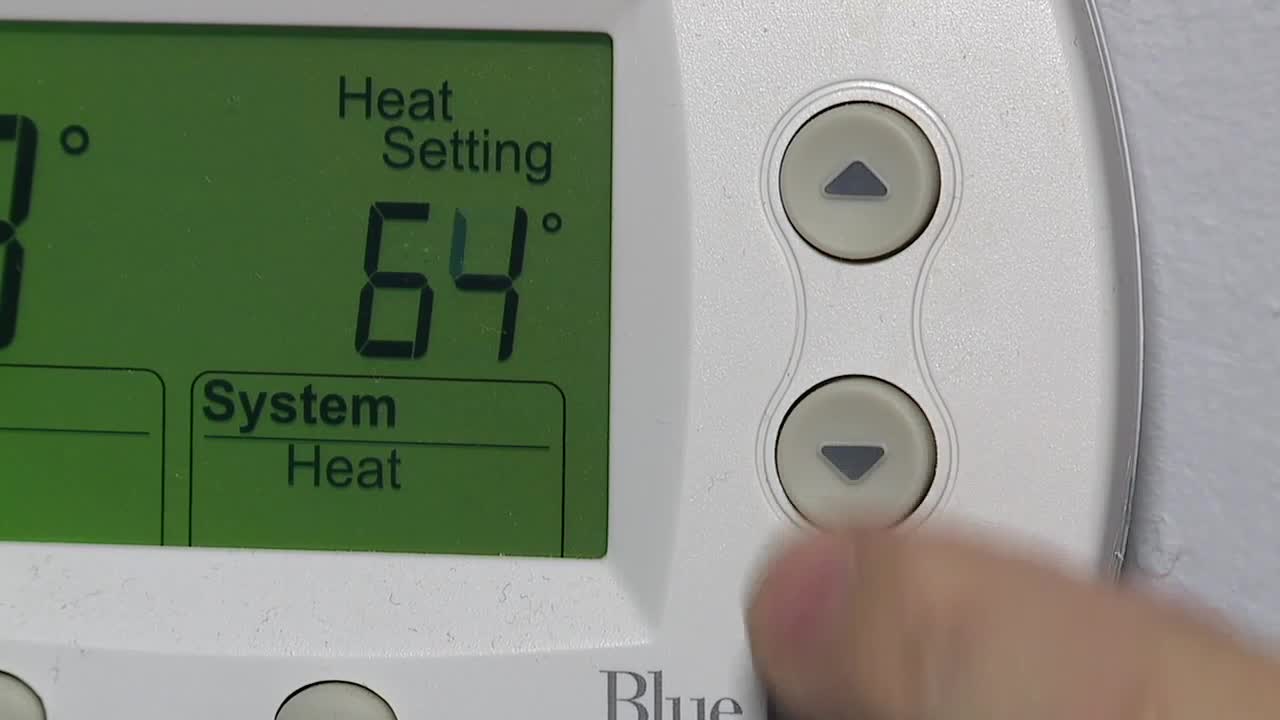
“You think turning your heat down to 67 or 66 will save you money, and you see no difference in your bill because the delivery fees are just so expensive,” she said.
The Maryland Office of People’s Counsel, which represents residential customers, says BGE’s gas distribution rates have risen sharply over the past decade, around the time Exelon acquired the utility.
“Ten years ago, the delivery portion of the bill was about one-third of the bill. The supply cost was two-thirds,” Maryland People’s Counsel David Lapp said. “Now it’s flipped around, and distribution costs are the largest part of the bill.”
Distribution charges pay for infrastructure, including the pipes, wires, and equipment used to deliver gas and electricity. BGE says those upgrades are required to keep the system operating as designed.
“BGE’s gas system is the oldest gas system in the United States,” spokesperson Nick Alexopulos said. “We have gas main on our system that was installed when Abraham Lincoln was president. There are hundreds of miles of gas main that’s over 100 years old. These pipes leak. They’re brittle. They can break.”
The People’s Counsel does not dispute the need for infrastructure investment, but questions how much spending is necessary and why BGE’s rates have risen so much faster than others.
“Washington Gas also needs to provide safe and reliable service, and their rates have increased at a fraction of what BGE’s have,” Lapp said.
According to data from the Office of People’s Counsel, in 2015 both BGE and Washington Gas charged about 42 cents per therm. As of February 1, BGE’s distribution rate is set to rise to 97 cents per therm, more than double Washington Gas’ current rate. The Office of People’s Counsel estimates that difference could cost the average BGE customer about $500 more this year for the same service.
BGE pushes back on those comparisons, saying utility-to-utility comparisons are not apples to apples.
“You have to take into account rate design, customer usage patterns, and volume of work,” Alexopulos said.
He also notes that Washington Gas customers pay a separate STRIDE surcharge and that all BGE rate increases were approved by the Maryland Public Service Commission, the independent agency that regulates utilities.
The Office of People’s Counsel publicly opposed the increases and warns another one is already on the way.
“One of the most important things we need to do is slow the rate of infrastructure spending that BGE is doing right now and will continue to do moving forward,” Lapp said. “They’re going to come in for another rate increase soon, and all these rate increases are like death by a thousand cuts.”
While delivery charges are a growing part of BGE bills, the utility says they’re only one piece of the picture. BGE also points to higher electricity supply prices, costs it does not control or profit from, which are having a larger impact on many customers’ bills this winter.
BGE says customers struggling with higher winter bills may qualify for up to $500 in bill credits, with applications opening January 21. Click here for more information.
To reduce bills, BGE recommends lowering thermostats, setting water heaters no higher than 120 degrees, keeping blinds open to capture natural sunlight, and scheduling a tune-up to ensure heating systems are running efficiently.
You can find more information about BGE’s rate increases, bill credits, and assistance programs at BGE.com/winter.