



BALTIMORE — Utility bills were already high, and a recent cold snap could push them even higher. Weather and rate increases are major factors, but there is another costly problem to watch for, and it is one homeowners can actually fix.
For most of the winter, Donn Deitemyer’s bill stayed the same. Then, in the spring, it sent him into a panic.
“I got this bill for $7,000,” said Deitemyer, a Baltimore Gas and Electric (BGE) customer.
Deitemyer was on budget billing, paying around $300 a month. But when the utility reset his average, his bill jumped to $1,000, and then some.
“This situation went on from November, December, January, February, and March, I guess five months,” Deitemyer said.
Deitemyer traced the issue back to the fall, when he had a new thermostat installed. Almost immediately, his energy use quadrupled without him realizing it.
“There’s a part of a heat pump called a reversing valve, and it had been wired incorrectly so that my heat and my air conditioning were both trying to run and going back and forth,” Deitemyer explained.
Both systems ran around the clock for four months.
He eventually called a different company to fix the problem. His energy usage dropped right away, but the balance did not.
“Yeah, I have about $2,000 left,” Deitemyer said. “Still paying it, and this was two years ago.”
Deitemyer tried to recoup the costs from the HVAC company that incorrectly installed the thermostat, but the company later went out of business. He then requested relief from BGE, which was denied.
Deitemyer says he should have tracked his usage more closely, which he does now. He also says budget billing gave him a false sense of security. And while heat pumps can use more energy in the coldest months, he is happy with his system as long as it is wired correctly.
“Heat pumps are really popular when you go a little bit further south where it’s not as cold, and heat pumps have become popular here because there were a lot of federal rebates that made the offsets worth it,” said Michael Holcomb, COO of Complete Climate Services.
This is the busiest time of year for Holcomb’s company. Between no-heat calls, he hears from customers upset about high bills. Many of them have heat pumps, which use electricity instead of a gas furnace.
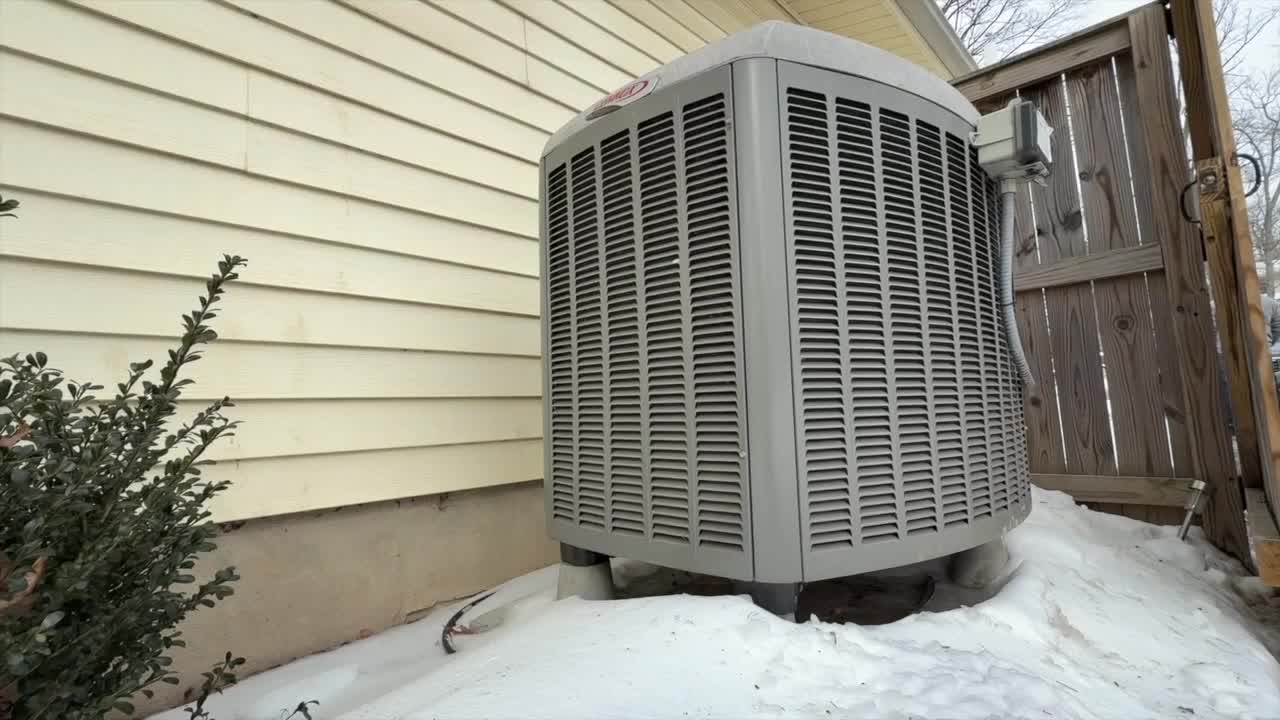
“During the storm that came, we’re finding ice buildup on the outdoor heat pump, which is essentially the outdoor unit that runs in heat pump mode,” Holcomb said. “And when you have ice buildup, it causes the auxiliary heat to come on.”
Auxiliary heat is far less efficient and much more expensive. Drastic thermostat changes or an improper installation can trigger it sooner. Holcomb says regular maintenance and filter changes are also key.
“The rule of thumb is, realistically, just to keep your thermostat set at a temperature and leave it,” he said. “In the wintertime when it’s really, really cold, move it to like 66. Put on a jacket, put on an extra blanket. You don’t need to crank it up and crank it down.”
With single-digit temperatures, many homeowners could see sticker shock. For Deitemyer, the experience forced tough tradeoffs.
“It’s such a helpless feeling, you know, because we’re sort of stuck with [BGE],” he said. “It’s really helpless and you just don’t know what your bill’s going to be and therefore it’s hard to budget.”
To avoid surprises on your bill, track your daily usage. Under “My Account” on BGE’s website, click “My Usage.” You can see daily costs, a projected bill, and what in your home is using the most energy. For additional tips on managing energy usage this winter season, click here.
You can also speak to an in-person BGE Energy Ambassador about savings tips, financial assistance programs, payment arrangements, and more at a drop-in assistance event on the following dates:
- Thursday, February 5 (9 am - 12 pm) at Baltimore City Northwest CAP Center (3939 Reisterstown Rd)
- Tuesday, February 10 (9 am - 12 pm) at Baltimore City Eastern CAP Center (1731 E Chase St)
- Thursday, February 12 (9 am - 12 pm) at Baltimore City Eastern CAP Center (1731 E Chase St)
- Wednesday, February 18 (12 pm - 4 pm) at Walbrook Branch of Enoch Pratt Library (3202 W. North Ave)
- Wednesday, March 18 (12 pm - 4 pm) at Waverly Branch of Enoch Pratt Library (400 E. 33rd Street)
Holcomb says if you see a major spike in usage after installing a new thermostat, call a professional to have it checked. Keeping your system properly maintained could save you thousands.