

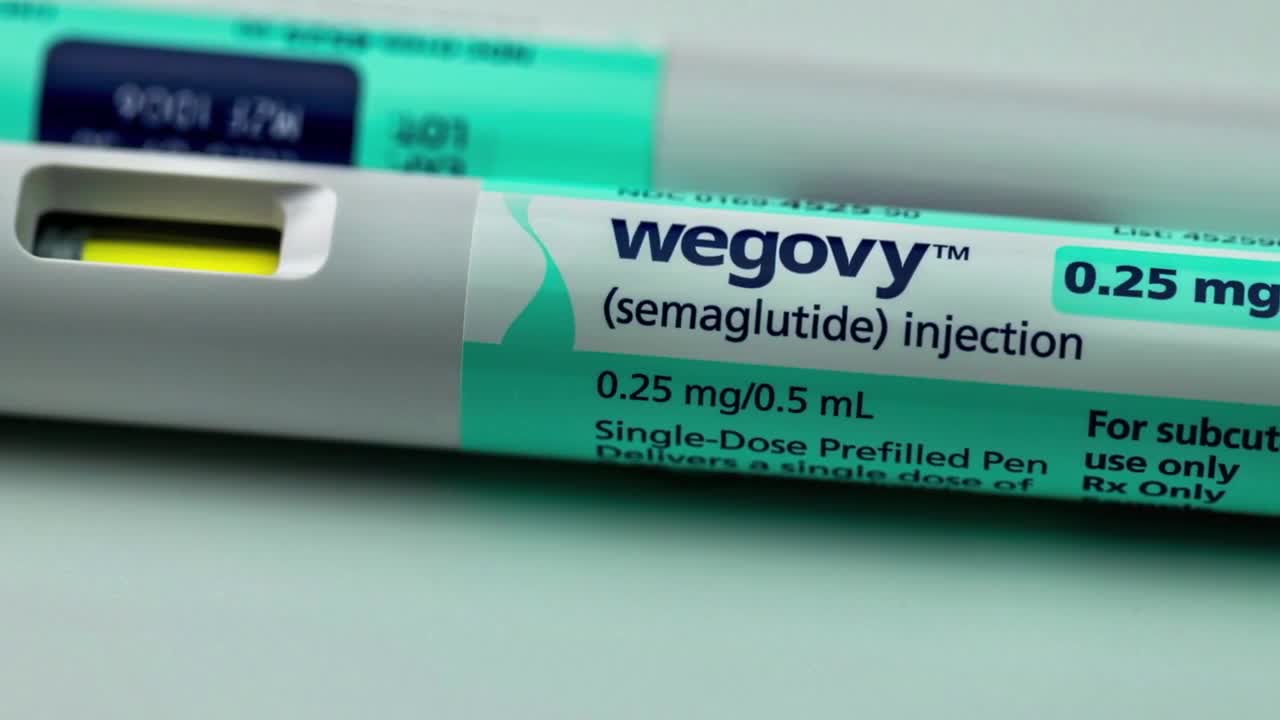


ELLICOTT CITY, Md. — Many people have found success losing weight with GLP-1 medications, but that growing demand is now driving up health care costs and forcing some employers to drop coverage.
In October, the Howard County Public School System announced it will no longer cover GLP-1 medications used for weight management effective March 31, 2026. New prescriptions for GLP-1 medications for weight management were discontinued as of December 1, 2025. However, coverage for GLP-1 medications used to treat diabetes will continue.
Howard County school leaders say the price tag for covering GLP-1 weight-loss medications exploded in a short period of time. In just two years, costs rose from about $485,000 over three months to more than $3.6 million.
District officials say without changes, employee health care premiums would have climbed nearly 20 percent. Instead, employees are still facing a 13.3 percent increase.
For Christa Donnelly, a teacher in Howard County, the medication was a turning point after years of frustration.
“I’ve tried, you know, Weight Watchers. I've tried the diet routines and going to the gym and everything, and I'd lose some weight, plateau lots of times, put it back on, maybe lose a little more and then plateau,” Donnelly said.
After months of research and conversations with her doctor and family, she started a GLP-1 medication last February.
“I’ve gone down 4 pants size. I feel so much better. I've got so much more energy. I'm able to move, I get down on the floor with students, I can get back up easily. It's not like that struggle to get back up off the floor,” she said.
Her blood pressure is now in a healthy, normal range. That’s why she says learning the district would stop covering the medication was devastating.
They sent us an email stating that they would stop covering any medication as of the end of March of 2026,” Donnelly said. "I had absolutely planned on staying on the medication. I still have about 30 or 40 pounds I want to lose, and I know that without the medication I feel I'm going to plateau. I hope I don't rebound, but I definitely feel I'll probably end up plateauing. And I also planned on using the medication for maintenance.”
Donnelly says paying out of pocket isn’t realistic, even if prices eventually fall.
“We're still paying off student loans for my daughter's college, we have a family to take care of, and so an extra $350 to $500 a month over the course of a year, it adds up quickly,” she said.

An In Focus look at the non-insurance costs for some of the popular GPL-1's
A recent survey by KFF, a nonpartisan health policy group, found employers across the country are struggling with the cost of covering GLP-1 weight-loss drugs.
The survey included more than 100 large employers nationwide, representing more than a quarter-million workers. Nearly two-thirds (64%) said covering GLP-1 drugs had a moderate or significant impact on their prescription drug costs. Fewer than one in five (19%) large employers nationwide currently cover GLP-1 medications for weight loss.
Federal officials have announced deals aimed at lowering the price of GLP-1 medications, but it’s unclear whether those savings will reach employers anytime soon. Howard County Public School System did not answer questions about whether anticipated price changes were factored into its decision or whether coverage could be reevaluated in the future.
Howard County Education Association President Benjamin Schmitt says the decision came down to difficult tradeoffs.
“The HCPSS Benefits Advisory Committee (BAC) has representatives from all bargaining units, including retirees, along with several from HCPSS. Regardless of the decision, at the minimum, healthcare premiums were going to rise nearly 12%. If GLP medications continued to be covered, those premiums would be almost 20%. The county executive would not have increased funding to match the increase in premiums, and very likely we would’ve been forced to renegotiate contracts, affecting already negotiated increases in COLAs and steps. At the very least, we would’ve been looking at more cuts in staffing and increases in class sizes to afford nearly 20% increases in health care costs. It was a devil’s bargain.”
HCPSS says employees currently using GLP-1 medications for weight management should use the time before coverage ends to talk with their doctor about other options.
For Donnelly, the issue is about more than numbers.
“I want to have that say, you know, I want people to look at medication as needed by the people and not just the bottom line,” she said.
Marylanders with insurance and medical billing complaints can contact the Maryland Insurance Administration or Maryland Office of the Attorney General Health Education Advocacy Unit.