

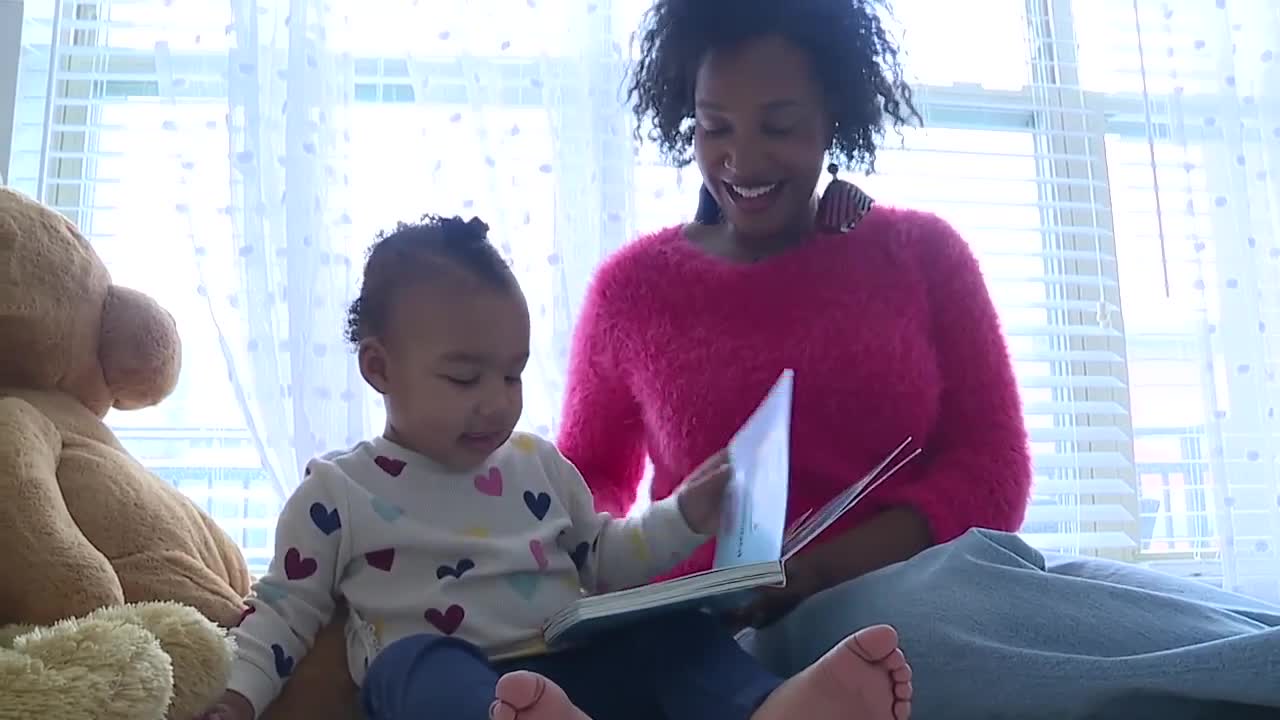


TOWSON, Md. — They’re small but precious moments that Shannon Wilson-Saunders doesn’t take for granted because of the journey it took to get here.
“Black moms have been struggling for years to be seen, to be respected, like pain medication, listening to concerns about bleeding and hypertension has often been dismissed,” Wilson-Saunders said.
Data from the Centers for Disease Control and Prevention shows more than 80 percent of pregnancy-related deaths are preventable, yet disparities persist, especially for Black mothers.
Wilson-Saunders says that reality caused some stress leading up to childbirth.
“I actually had a lot of anxiety leading up to birth. We hear a lot about disparities and childbirth in general is a very intense experience. I was terrified," she said.
However, she says support from staff at Greater Baltimore Medical Center (GBMC) helped ease some of those fears.
“We weren’t pressured, we weren’t rushed, we weren’t dismissed and I had a really great experience. I know though that’s not the experience for all women,” Wilson-Saunders said.
Research driving changes in care:
Behind that level of care is years of research and an urgency to improve outcomes.
Back in 2022, GBMC began digging into its own numbers, breaking down maternal health outcomes by race, age, and insurance.
Jodie Bell, assistant director of maternal newborn health, says they saw a clear gap.
“At that point we did see a difference where our Black patients had a higher morbidity rate of complications with childbirth than our white patients. That wasn’t ok with us, we needed to fix that," she said.
They found that while postpartum hemorrhage, severe bleeding after childbirth, occurred at similar rates across patients, complications were more common among Black mothers.
Bell says many patients were arriving with higher levels of anemia, increasing risks during delivery.
In response, the hospital implemented several changes:
- Earlier screening for anemia
- Improved access to prenatal iron infusions
- Standardized measurement of blood loss after delivery
- Patient debriefings following complicated births
- Implicit bias training for all staff
- Creation of health equity and respectful care committees
The hospital also setup a Maternal Newborn Health Equity committee, translating documents and educational handouts into more than 50 languages and hosting free educational and support sessions at the Baltimore County Public Library.
“If you come into delivery better prepared physically, you have less chance of having a complication,” Bell said.
Bell has worked at GBMC for more than four decades and even delivered her own children there.
“Seeing the things that were done then and how care has changed, it was a great experience back then, but I think things are even better now," she said.
Wilson-Saunders says she’s grateful for the care she received and hopeful the conversation about maternal health equity keeps moving forward.
“I’m thankful that the conversations continue and they’re really just getting started. It’s OK to say, ‘Hey, I didn’t have a good experience,’ and ask for better from our healthcare system. We’re human beings just like everyone else. We need the right care, the right treatment and we need to be heard," she said.

