


BALTIMORE — Food is much more than a collection of ingredients on a plate.
For nationally acclaimed Baltimore food designer Krystal Mack, it’s a medium for storytelling, healing, and social change.
“In makes me proud to be a Baltimorean. It makes me proud to be a Black woman,” Mack said.

A plate of purpose, Baltimore food designer Krystal Mack uses art to explore Black history and drive change
Planting seeds in Wilson Park
In the historic neighborhood of Wilson Park, Mack is transforming her 5,000-square-foot backyard into a community food garden.
“We will have crops from the Black American South, from the African diaspora,” she said.
Wilson Park was founded in 1917 by Harry Wilson, one of Maryland’s first Black bankers, who built and sold homes to Black families at a time when housing discrimination was widespread.
The neighborhood was designed as a place of refuge and prosperity. But today, the community faces new challenges.
Though rich in history, Wilson Park is now considered a food desert. More than 30 percent of households do not have access to a vehicle, and the nearest supermarket is more than a quarter mile away.
Mack hopes the garden will help restore both access and opportunity.
“We’ve practiced sustainability for a very long time as Black people,” she said.
Designing conversations, not just meals
Mack describes herself as a food designer, blending food and art to spark dialogue.
“Starting conversations that we wouldn’t generally have in a restaurant space, exploring food histories,” she said.
Her home library holds nearly 400 cookbooks, including publications featuring her own work. But her projects extend far beyond the kitchen.
Her design studio partnered with the Walters Art Museum to honor the legacy of Sybby Grant, an enslaved cook who once lived in what is now the basement of the museum’s historic mansion.
“I don’t think a lot of people think about slavery in Baltimore City, but it existed,” Mack said. “I thought it was really important for this woman’s voice to be heard and acknowledged.”
Grant documented the recipes she created but was never allowed to dine in the mansion’s dining room. Mack’s installation created space for reflection and conversation about that history.
At the Baltimore Museum of Art, her piece “Table of White Supremacy” explored how people of color are often underrepresented or overlooked in spaces of power.
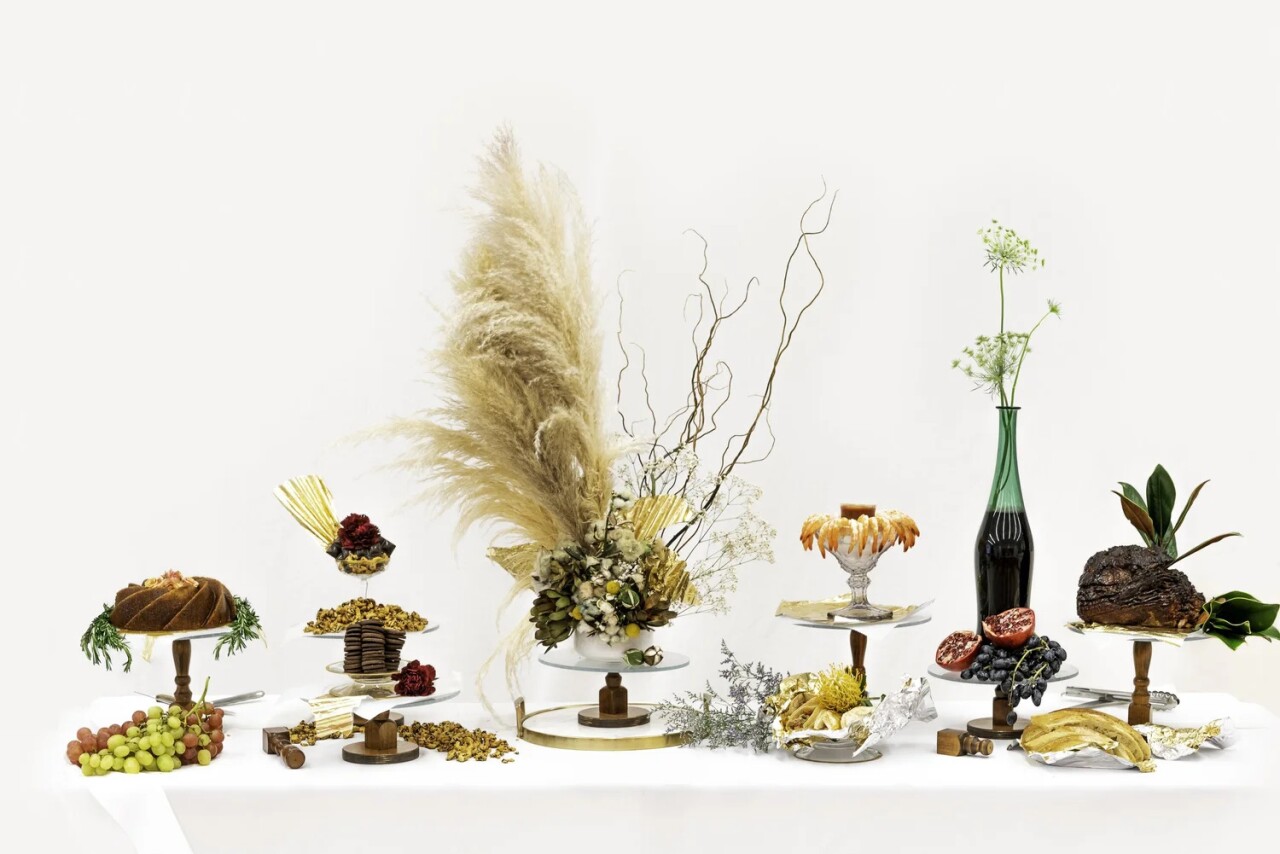
“Not so much designing a product, but more so designing interactions,” she explained.
Reclaiming complicated histories
Through her art, she also reclaims ingredients tied to painful histories, transforming them into tools of connection and creativity.
During an indigo dyeing demonstration, she feeds the fermentation vat sweet potatoes, dates, bananas, and beets, keeping the indigo alive.

Indigo was once a major cash crop during the transatlantic slave trade, processed under brutal and toxic conditions by enslaved workers.
“I wanted to find a way to work with food that could be restorative to me,” Mack said.
Food as healing
Mack’s work is not only about exploring history, it’s also about healing.
One of her most personal projects, “How to Take Care,” is a guide filled with recipes and stories from contributors around the world.
“It was rooted in my experience of growing up in an abusive household as a child,” she said.
Proceeds from the project supported organizations like the House of Ruth, which assists survivors of domestic and intimate partner violence.
“I wasn’t expecting it to have such a large reach and impact,” Mack said.
Building a path for others
Despite national recognition, including becoming the first artist in U.S. Artist Fellowship history to be honored for using food as an artistic medium, Mack says the journey hasn’t been easy.
“I didn’t go to art school or culinary school. I didn’t go to college,” she said.
As one of the few Black women working in food design in the region, she says her work is sometimes undervalued.
“When they’re devaluing the work that I’m doing, it’s almost like they’re devaluing the work of their grandmothers or their ancestors or their mothers. And that’s kind of heartbreaking.”
Still, she continues.
“It’s been difficult to build that path,” Mack said. “But what gives me hope and pride and joy is knowing that in building that path, there are other folks behind me who’ll have an easier way to go.”
As she prepares to build a studio space and expand her community programming, Mack says her mission remains rooted in Baltimore, using food to connect past, present, and future.
